
How Chiropractic Care Helps Reset the Nervous System in New York City
New York City is one of the most exciting places in the world. It is also one of the most stressful.
Between traffic, deadlines, crowded schedules, constant stimulation, phone notifications, financial pressure, and the nonstop pace of city life, many people are living in a state of stress that feels normal. But just because it is common does not mean it is healthy.
A stressed body may keep going for a while. But over time, that stress begins to show up in the form of tight muscles, headaches, fatigue, poor sleep, digestive issues, tension, burnout, and a general feeling that your body is always “on.”
At New York Chiropractic Life Center, Dr. Jay Handt and Dr. Josh Handt help patients understand a powerful truth.
Stress is not just emotional.
Stress is neurological.
And your spine plays a major role in how your body handles it.
Why Stress Affects the Whole Body
Most people think of stress as something mental or emotional.
But stress affects the entire body.
When your brain senses stress, it activates the fight or flight response. This is a survival mechanism designed to protect you in a dangerous moment. Your body releases stress hormones like cortisol and adrenaline. Your muscles tighten. Your heart rate rises. Your breathing changes. Your digestion slows down. Blood flow shifts away from repair and toward survival.
That response is helpful when there is a real emergency.
But many people in New York are living in that state all the time.
The body was designed to handle stress in short bursts. It was not designed to live in a constant state of internal alarm.
What Cortisol Does to the Body
Cortisol is one of the main stress hormones released by the body.
In the right amount, cortisol can be helpful. It helps you wake up in the morning and respond to challenges. But when cortisol stays elevated for too long, it begins to create wear and tear on the body.
Chronically high stress and cortisol levels may contribute to:
-
muscle tension
-
headaches
-
poor sleep
-
fatigue
-
digestive problems
-
irritability
-
weakened immune function
-
burnout
-
poor recovery
This is one reason so many people feel “wired and tired.” Their body is exhausted, but their nervous system does not know how to shut off.
The Nervous System Has Two Main Modes
Your autonomic nervous system has two major branches.
The first is the sympathetic nervous system, often called fight or flight.
The second is the parasympathetic nervous system, often called rest and digest.
When the sympathetic system dominates, your body stays in survival mode. When the parasympathetic system is active, your body can repair, digest, recover, heal, and rest.
Real health requires both systems to work well.
You need to be able to respond to stress when needed. But you also need to be able to come back down when the stress has passed.
That is where many people struggle.
Their body has forgotten how to switch off.
How Stress Gets Stored in the Body
Stress does not just live in your mind. It gets stored in your body.
It often shows up as:
-
tight shoulders
-
stiff neck
-
clenched jaw
-
shallow breathing
-
upper back tension
-
poor posture
-
low back tightness
-
digestive shutdown
Over time these physical patterns begin to reinforce the stress response. The tighter and more restricted the body becomes, the more stress signals it sends back to the brain. Then the brain responds with even more tension and alarm.
That creates a vicious cycle.
The body feels stressed, so the brain stays stressed. The brain stays stressed, so the body gets even tighter.
The Spine and Stress Connection
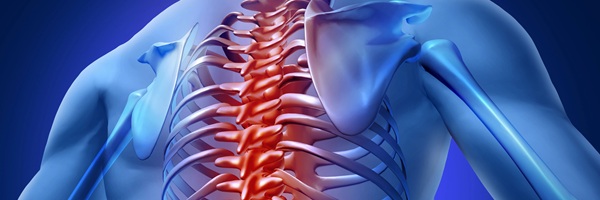
Your spine protects the spinal cord, which is part of your central nervous system.
That means spinal function matters greatly when it comes to how your body processes stress.
When spinal joints become restricted or misaligned, they can create irritation, tension, and interference in the nervous system. This may keep the body in a more reactive state.
Many people are carrying spinal tension every day from:
-
desk work
-
commuting
-
poor posture
-
phone use
-
emotional stress
-
lack of movement
-
old injuries
As this tension builds, the body becomes less adaptable.
And adaptability is one of the keys to health.
The Vagus Nerve and the “Off Switch”
One of the most important players in stress recovery is the vagus nerve.
The vagus nerve helps activate the parasympathetic nervous system, the branch responsible for calming the body down. It helps regulate heart rate, digestion, breathing, and the body’s ability to shift into rest, repair, and recovery.
You can think of it as part of the body’s natural “off switch” for stress.
The upper neck, especially the area around the Atlas, sits very close to the brainstem and the pathways related to this calming system. If there is restriction or tension in this area, the body may have a harder time shifting out of stress mode.
That is one reason upper cervical and spinal function can play such an important role in stress regulation.
How Chiropractic Adjustments Help
A chiropractic adjustment is not just about cracking the back or neck.
It is a precise input to the nervous system.
When a restricted spinal joint begins moving better, the brain receives different information from the body. Muscles begin to relax. Tension patterns can change. The body often shifts away from guarding and toward balance.
This is why many patients say they feel calmer, lighter, or like they can breathe again after an adjustment.
Chiropractic care may help support:
-
reduced physical tension
-
improved posture
-
better breathing
-
deeper relaxation
-
improved sleep quality
-
better recovery from daily stress
For many people, chiropractic care becomes one of the most powerful ways to reset the nervous system naturally.
Why New Yorkers Need a Stress Reset
City living is exciting, but it is also demanding.
The pace of New York trains people to push through exhaustion, ignore warning signs, and normalize stress. But eventually the body starts to speak louder.
Sometimes it speaks through headaches.
Sometimes through neck pain.
Sometimes through digestive issues.
Sometimes through insomnia or chronic fatigue.
These are not random problems.
Very often, they are signs that the body has been stuck in stress mode too long.
A healthier nervous system helps you respond to city life with more resilience and less breakdown.
Chiropractic Care and Better Sleep
One of the most common things stressed patients struggle with is sleep.
They may feel exhausted all day, only to become alert at night. They lie in bed tired but tense. Their body is ready for rest, but their nervous system is still running.
When the body stays in fight or flight, quality sleep becomes harder to access.
By helping calm the nervous system and reduce physical tension, chiropractic care may support better sleep quality. Many patients report they fall asleep faster, sleep deeper, and wake up feeling more refreshed when their spine is functioning better and their body is less stressed.
Chiropractic Care and Digestion
Stress and digestion are deeply connected.
When your body is in fight or flight mode, digestion slows down. Blood flow shifts away from the digestive system and toward survival functions. This can contribute to bloating, discomfort, sluggish digestion, and a feeling that the body just is not functioning well.
The body digests best when it feels safe.
That is why improving nervous system balance can support digestive function as well. Chiropractic care does not replace good nutrition or lifestyle habits, but it can support the body’s ability to shift into a more relaxed and functional state.
Building a More Resilient Nervous System
Stress will always be part of life.
The goal is not to eliminate all stress. The goal is to build a body that can adapt to it better.
That means creating a nervous system that is not stuck in overdrive.
A resilient nervous system can handle challenge, recover well, and shift back into balance faster.
Chiropractic care can be an important part of that process, especially when combined with:
-
movement
-
quality sleep
-
hydration
-
proper breathing
-
recovery time
-
better posture
-
healthy routines
Together, these habits help support a body that is not just surviving New York, but actually thriving in it.
Final Thoughts
If you constantly feel tight, tired, wired, overwhelmed, or physically tense, your body may be telling you that your stress response has been stuck on for too long.
That does not mean you are broken. It means your nervous system needs support.
At New York Chiropractic Life Center, Dr. Jay Handt and Dr. Josh Handt help patients restore spinal function, reduce nervous system stress, and create a healthier foundation for life in New York City.
Stress may be part of modern life.
But living stuck in stress mode does not have to be.
If you are ready to reset your body, calm your nervous system, and support better sleep, better energy, and better resilience, schedule your evaluation today.
New York Chiropractic Life Center
Dr. Jay Handt and Dr. Josh Handt
91 Central Park West, New York, NY
212-580-3350
www.NewYorkChiropractic.com