Sciatica Chiropractor in NYC: What to Expect
A search for sciatica chiropractor NYC usually starts when leg pain is making everyday life smaller. The right first step is not to guess at the cause or chase a quick fix. It is to identify what may be irritating the nerve, evaluate how your spine is moving, and create a conservative plan that fits your health, activity level, and goals.
At New York Chiropractic Life Center on the Upper West Side of New York City, we help active adults, retirees, runners, and families understand the mechanical factors that can contribute to sciatica. Our care is drug-free and non-surgical, with an emphasis on helping people move with greater confidence for the long term.
What is sciatica?
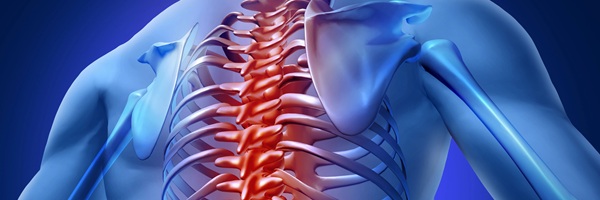
Sciatica is a description of symptoms, not a diagnosis by itself. The sciatic nerve is the largest nerve in the body. When a nerve root in the low back is irritated or compressed, symptoms can travel from the lower back or buttock into the hip, leg, calf, or foot.
Some people feel a sharp, electric pain when standing from a chair. Others notice burning, tingling, numbness, or a leg that feels weaker during a walk through Central Park. Symptoms may flare when sitting, bending, coughing, running, or getting in and out of a car.
A bulging or herniated disc can be involved, but it is not the only possible contributor. Spinal joint dysfunction, narrowing around the nerve, muscle guarding, and movement patterns can also matter. That is why an accurate evaluation is more useful than treating every case of radiating leg pain as the same problem.
When should you see a sciatica chiropractor in NYC?
Persistent leg pain, numbness, or tingling deserves attention, especially when it is changing how you walk, sleep, exercise, or work. Many New Yorkers try to push through pain because the calendar is full and the city requires constant movement. But compensating for a painful leg can shift stress to the opposite hip, knee, or low back.
At New York Chiropractic Life Center, Dr. Josh Handt, DC, CFNMP, and Dr. Jay Handt assess the whole pattern: your symptoms, spinal function, posture, mobility, strength, daily demands, and relevant health history. We want to know whether your pain is worse after subway rides, desk work, a long run, lifting a grandchild, or a weekend tennis match. Those details help guide care.
Sciatica should also be assessed urgently by the appropriate medical provider if it comes with new bowel or bladder changes, numbness in the groin or saddle area, fever, unexplained major weight change, or rapidly worsening weakness. Conservative chiropractic care has an important role for many people, but recognizing red flags is part of responsible care.
What happens during a sciatica evaluation?
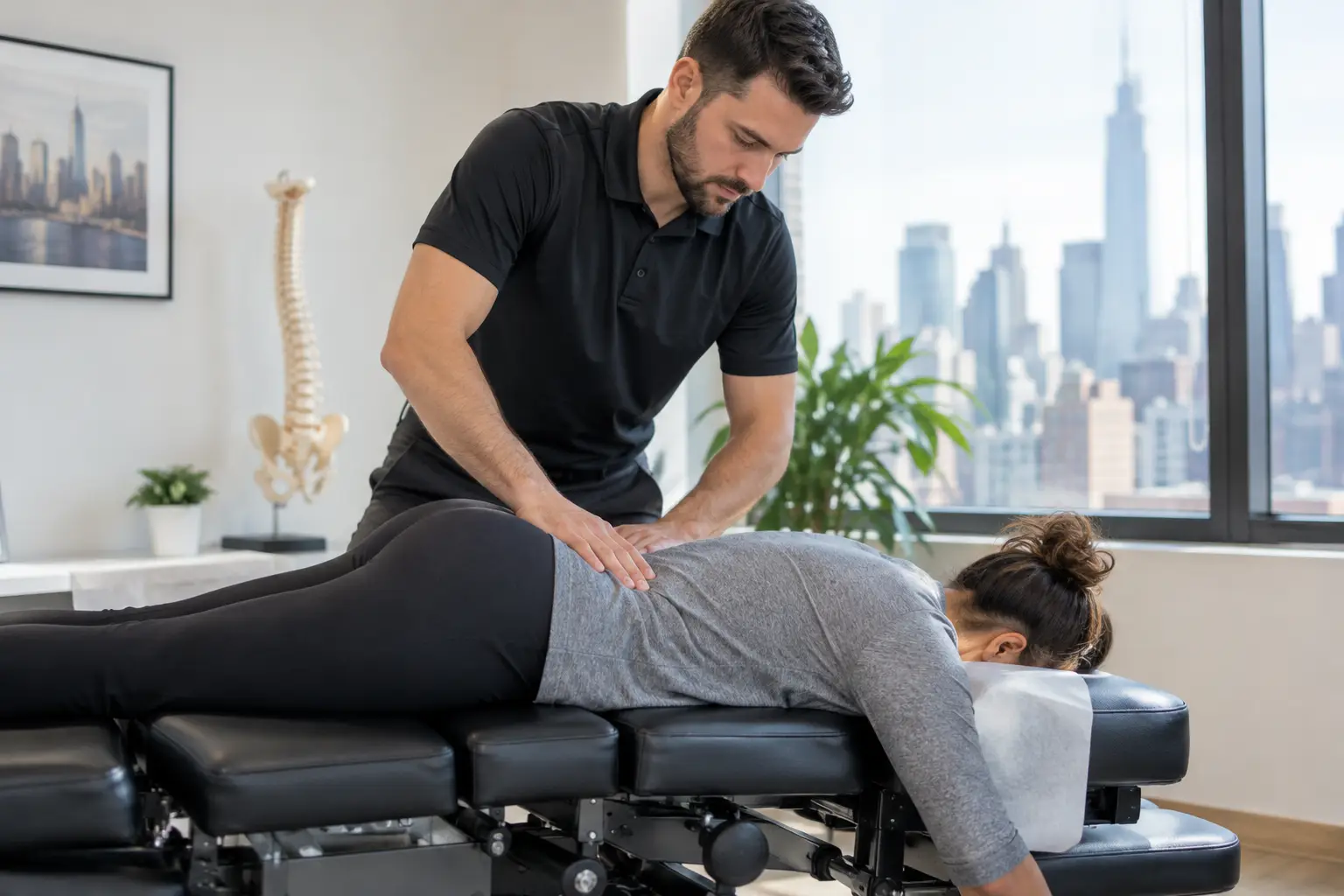
A useful evaluation is more than locating where it hurts. At our Upper West Side New York City practice, we begin by listening carefully to the timeline of your symptoms and what your body can no longer do comfortably. We then assess spinal and joint motion, neurological signs, posture, and the way your body handles everyday movement.
When clinically appropriate, imaging may be reviewed or recommended to clarify whether disc changes or other structural findings may be relevant. Imaging is one piece of the picture, not the entire picture. Many people have disc findings without pain, while others have significant symptoms with less dramatic-looking images. The exam and your lived experience still matter.
This process also gives us a baseline. If your goal is to walk the reservoir without stopping, return to pickleball, sit through a workday, or train for a race, progress should be measured against meaningful function, not just a number on a pain scale.
What is non-surgical spinal decompression?
Non-surgical spinal decompression is a carefully controlled form of traction designed to gently change pressure within the spine. For selected patients with disc-related low back pain, herniated discs, bulging discs, or sciatica, it may be used as part of a broader conservative care plan.
During treatment, the body is positioned comfortably on a specialized table while gentle, computer-guided pulling and relaxation cycles are applied. The goal is to reduce stress on involved spinal structures and support a healthier environment for movement and healing. It is not forceful manipulation, and it is not appropriate for every person with back or leg pain.
At New York Chiropractic Life Center, non-surgical spinal decompression is a flagship service for Upper West Side and New York City patients who have been told they have disc problems or who are looking for a non-surgical option. Dr. Josh Handt and Dr. Jay Handt determine whether it fits based on examination findings, health history, and your response to care.
Does spinal decompression work for sciatica?
It can help some people, particularly when sciatica appears related to disc irritation and the person is a suitable candidate. It is not a guarantee, and the timeline varies. A recent flare-up after lifting a suitcase is different from years of recurring symptoms, reduced conditioning, and multiple movement limitations.
The best results tend to come from a plan that does more than passively treat pain. Care may combine decompression with corrective chiropractic care, mobility work, guidance on daily positions, and a gradual return to activity. For an active retiree, that may mean rebuilding tolerance for longer walks. For a runner, it may mean addressing how the spine, hips, and gait respond to training load before adding mileage.
Our approach is rooted in the 100 Year Lifestyle: the idea that your body should support strength, mobility, and independence for decades, not merely get you through the next few days. Medication, injections, and surgery may be necessary in certain cases, but they are not the only conversations worth having when a disc or nerve problem begins limiting your life.
What can you do while sciatica is flaring?
Avoiding every movement often makes people stiffer and more fearful. At the same time, aggressively stretching through nerve pain or returning to heavy training too quickly can prolong a flare. The middle ground is purposeful, comfortable movement and professional guidance.
Four practical habits can make the day more manageable:
- Change positions regularly instead of sitting through long blocks of work or travel.
- Use short, easy walks if walking does not sharply increase leg symptoms.
- Notice which movements send pain farther down the leg, and avoid repeatedly forcing those movements.
- Keep exercise goals realistic while your body settles, then rebuild capacity step by step.
We often see people who have tried an assortment of gadgets, supplements, and online routines before getting a clear assessment. The issue is not a lack of effort. It is that sciatica is specific. The plan should be specific too.
Why corrective chiropractic care matters after pain improves
Pain relief is welcome, but it should not be the finish line. If you return to the same spinal stress, poor movement tolerance, or deconditioned patterns that preceded the flare, symptoms can return when life gets busy again.
Corrective chiropractic care focuses on improving spinal motion and nervous system function while supporting healthier movement patterns. Depending on the person, massage therapy may also help address muscle tension and recovery. For athletes, sports and performance care can help connect recovery to the demands of running, golf, tennis, pickleball, or strength training.
After more than 65 years in practice and care for more than 50,000 patients, our Upper West Side team has learned that lasting progress is rarely about one dramatic treatment. It is built through a sound assessment, appropriate care, better daily choices, and a plan that respects the life you want to keep living.
Frequently asked questions
Can a chiropractor help with a herniated disc and sciatica?
Chiropractic care may be appropriate for some people with disc-related sciatica. A detailed examination helps determine whether conservative care, including non-surgical spinal decompression, is a reasonable option and whether referral or co-management is needed.
How long does sciatica take to improve?
It depends on the cause, severity, duration of symptoms, overall health, and daily demands on the spine. Some people improve relatively quickly, while longstanding or recurrent symptoms may require a more gradual approach.
Should I stop exercising with sciatica?
Not always. Complete rest is not automatically helpful, but the right activity level depends on your symptoms. Walking and gentle movement may be useful for some people, while running, heavy lifting, or deep bending may need to pause temporarily.
Is non-surgical spinal decompression painful?
Most patients describe decompression as gentle and comfortable. Your positioning and treatment settings should be adjusted to your tolerance, and you should communicate any increase in symptoms during care.
Leg pain does not have to become the boundary around your work, training, travel, and family life. If you want a clear picture of what may be driving your sciatica and whether conservative care fits your needs, Book Your Spinal Blueprint Assessment.