
Neck Pain and Arm Numbness: What Desk-Bound Athletes Need to Know About Cervical Disc Problems
By Dr. Jay Handt, DC, Founder of NYCLC, 45+ Years Sports & Family Chiropractic, 100 Year Lifestyle Certified; and Dr. Josh Handt, DC, Chiropractor, 20+ Years Performance & Family Chiropractic, 100 Year Lifestyle Certified, National Spinal Decompression Certified, National Neuropathy and Decompression Certification, Webster Technique Certified, Jackson Craio-Cervical Technique Certified.
Imagine a typical day for a high-performing Upper West Sider. It starts with an aggressive sunrise cycling session or a focused CrossFit workout. By 9:00 AM, you’re at your desk, head jutted forward toward a dual-monitor setup, shoulders rounded, navigating back-to-back Zoom calls and high-stakes emails.
For the “Desk-Bound Athlete,” this transition from peak physical output to hours of static, poor posture is a recipe for a specific kind of frustration. You can power through a mountain bike trail or a heavy squat set, but by 3:00 PM, a nagging ache in your neck starts to radiate. By 5:00 PM, you’re shaking out your hand because your thumb and index finger have gone numb.
This isn’t just “tight traps” from a heavy lifting session. For many active professionals in Manhattan, these symptoms signal a cervical disc problem – a condition that, if left unmanaged, can sideline both your career productivity and your athletic identity.
What You’ll Learn in This Article
- The link between “Tech Neck” and radiating arm numbness
- Why your athletic training might be masking (or worsening) a neck issue
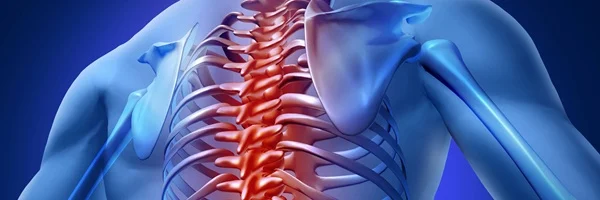
- The biomechanics of cervical disc herniation and nerve compression
- How Cervical Spinal Decompression works to provide non-surgical relief
- Actionable ergonomic “micro-habits” for the office
- Red flags that mean you need an expert evaluation immediately
When the Neck Affects the Hand: Understanding Cervical Radiculopathy
The cervical spine (your neck) is an engineering marvel. It supports the weight of your head while allowing a massive range of motion. However, it is also the gateway for the nerves that control your arms and hands.
When a cervical disc bulges or herniates – often due to the repetitive “forward head posture” typical of intense desk work – it can press against these exiting nerve roots. This is called cervical radiculopathy.
Common Symptoms of a Cervical Disc Issue
- Radiating Pain: A sharp, electrical, or “burning” sensation that travels from the neck, down the shoulder, and into the arm.
- Numbness or Tingling: The “pins and needles” feeling that doesn’t go away, often localized to specific fingers.
- Muscle Weakness: Finding it harder to grip a tennis racquet, pull a heavy deadlift, or even hold a coffee mug.
- Chronic Stiffness: A loss of range of motion that makes checking your blind spot while driving or looking up during a swim stroke painful.
Why Desk-Bound Athletes are at Unique Risk
As an athlete, your body is resilient. You’re used to “working through the burn.” But the cervical spine doesn’t respond to toughness – it responds to mechanics.
- The Weight of the Head: For every inch your head moves forward from its neutral position, it adds roughly 10 pounds of pressure on the cervical discs. Over an 8-hour workday, that cumulative load causes the discs to lose hydration and height.
- Impact and Intensity: If you’re already dealing with “Tech Neck” at the office, high-impact sports (like running) or heavy overhead lifting can provide the “last straw” that causes a weakened disc to bulge.
- The Masking Effect: Athletes often attribute neck pain to a “bad pillow” or “heavy traps” from the gym. This delay in seeking help allows the nerve compression to become more severe, leading to the arm numbness that finally gets their attention.
The Science of Relief: Non-Surgical Cervical Decompression
If you’ve been told you have a pinched nerve or a bulging disc in your neck, you might fear that surgery or permanent activity restriction are your only options. At our Upper West Side clinic, we specialize in a highly effective, non-invasive alternative: Cervical Spinal Decompression.
How it Works
Unlike traditional traction, our FDA-cleared decompression technology is computerized and highly specific. It uses a gentle, oscillating force to create a “vacuum effect” (negative intra-discal pressure) within the affected cervical disc.
The Benefits for the Athlete
- Nutrient Influx:The vacuum effect helps draw water, oxygen, and nutrients back into the disc, promoting the body’s natural healing process.
- Pressure Relief:By gently separating the vertebrae, we take the direct pressure off the irritated nerve root, which is the primary cause of that radiating arm numbness.
- Structural Alignment:Decompression works in tandem with corrective chiropractic adjustments to restore the natural curve of the neck, reducing the “Tech Neck” strain.
Most patients experience significant relief within a few weeks, allowing them to return to their training and their desks without the constant distraction of nerve pain.
Case Study: The “Corporate Athlete” Recovery
- The Patient: Mark, a 38-year-old marathoner and hedge fund analyst.
- The Problem: Persistent tingling in his right arm and a loss of grip strength that was making his long runs miserable and his typing slow.
- The Discovery: An MRI and movement analysis revealed a C5-C6 disc bulge aggravated by his desk setup and his forward-leaning running posture.
- The Protocol: A 6-week program of cervical decompression, corrective adjustments, and ergonomic retraining.
- The Outcome: Mark’s numbness resolved completely by week three. By week six, he was back to full training volume with a “Performance Report Card” showing improved spinal stability and posture.
Actionable Takeaways: Office Habits for the Desk Athlete
You can’t always quit the desk job, but you can change how you interact with it.
- The Eye-Level Rule: Your monitor should be at a height where your eyes land on the top third of the screen without tilting your head down.
- The 20-Minute Reset: Set a timer. Every 20 minutes, perform “Bruegger’s Relief Position” – sit at the edge of your chair, open your arms wide, palms up, and gently tuck your chin. Hold for 30 seconds.
- Hydration is Disc Health: Discs are largely water. Chronic dehydration makes them more prone to injury under the stress of posture and sports.
- Chin Tucks: While sitting at your desk, gently draw your chin straight back (as if making a double chin). This resets the deep neck flexors that support your cervical curve.
When to Seek Expert Help: The Red Flags
Don’t “wait and see” if you experience any of the following:
- Numbness or tingling that lasts more than 48 hours.
- Noticeable weakness in your hand or arm (dropping things).
- Pain that wakes you up at night.
- Difficulty with fine motor tasks (buttoning a shirt, typing).
- Persistent headaches that start at the base of the skull.
Reclaiming Your Performance
Neck pain and arm numbness are your body’s way of saying the system is overloaded. For the desk-bound athlete, the goal isn’t just to stop the pain – it’s to restore the structural integrity of your spine so you can perform at 100% in all areas of your life.
By combining advanced cervical decompression with corrective chiropractic care and lifestyle optimization, you can break the cycle of “Tech Neck” and get back to the sports you love – safely and naturally.
Ready to Get the Pressure Off?
If you’re tired of arm numbness distracting you from your work or your workouts, it’s time for a professional evaluation. Our team at New York Chiropractic Life Center & Disc Centers of America NYC specializes in identifying the root cause of cervical disc issues and providing the non-surgical solutions that Manhattan’s active professionals need.
Schedule Your Consultation Today » | (212) 580-3350
FAQ: Cervical Disc Issues
Q: Does cervical decompression hurt?
A: No. Most patients find it very relaxing. The force is gentle and controlled by a computer to ensure your muscles don’t “guard” or tense up during the session.
Q: How many sessions will I need?
A: Every case is unique, but most athletes see significant progress within a 12 to 24-visit protocol, depending on the severity of the disc involvement.
Q: Can I keep working out during treatment?
A: In most cases, yes – but we may modify your routine to avoid high-impact movements while the disc is in the initial healing phase.
Q: Why did my arm start numbing if the problem is in my neck?
A: This is called “referred pain.” The nerves that provide sensation to your fingers start in your neck. When those “wires” are pinched at the source, your brain perceives the sensation in the hand.
Dr. Jay Handt, DC
Dr. Jay Handt is the founder and clinical director of New York Chiropractic Life Center and Disc Centers of America NYC. With over 45 years of experience, Dr. Handt has helped thousands of New Yorkers recover from pain, return to their active lives, and pursue athletic performance at every age. A 1978 graduate of New York Chiropractic College and certified in The 100 Year Lifestyle, Dr. Handt specializes in non-surgical spine care, decompression, and individualized programs for athletes, families, and adults looking for drug-free, evidence-based solutions.
Credentials & Affiliations
- Doctor of Chiropractic, New York Chiropractic College
- Founder, The New York Chiropractic Life Center
- Co-Director, Disc Centers of America NYC
- 100 Year Lifestyle Certified
- National Neuropathy and Decompression Certification
- Over 45 years in clinical practice
Dr. Josh Handt, DC
Dr. Josh Handt is a disc chiropractor and performance optimization chiropractor at New York Chiropractic Life Center and Disc Centers of America NYC. Over his 20+ year career, Dr. Handt has worked with competitive athletes, weekend warriors, and active adults – delivering measurable, research-based care that focuses on root-cause solutions and patient empowerment. He is a Cum Laude graduate of Palmer College of Chiropractic Florida, certified in The 100 Year Lifestyle, and recognized for his focus in sports performance and spinal decompression.
Credentials & Affiliations
- Doctor of Chiropractic, Palmer College of Chiropractic Florida
- Owner: The New York Chiropractic Life Center
- Co-Director, Disc Centers of America NYC
- 100 Year Lifestyle Certified
- Over 20 years in clinical practice
- National Spinal Decompression Certified
- National Neuropathy and Decompression Certification
- Webster Technique Certified
- Jackson Craio-Cervical Technique Certified
Disclaimer & Safety Reminder
This article is for educational purposes only and is not a substitute for professional medical advice, diagnosis, or treatment. Chiropractic care results vary by individual. Always consult your healthcare provider about your specific condition, symptoms, or before beginning a new health program – especially if pain is severe, new, or accompanied by numbness, fever, or loss of function. If you have urgent or emergency symptoms, seek immediate medical care.