
Is It Healthy to Decompress Your Spine?
Yes, spinal decompression can be healthy when it is done properly and matched to the person. Gentle decompression may help reduce pressure on spinal joints, discs, muscles, and nerves. The key is safety: mild daily decompression habits can support spinal health, while persistent pain or nerve symptoms require professional evaluation before more aggressive stretching or traction.
When you are dealing with back pain, neck pain, stiffness, sciatica, or pressure in your spine, it is natural to ask:
“Is it healthy to decompress your spine?”
The simple answer is yes, when it is done properly and when it is appropriate for your condition.
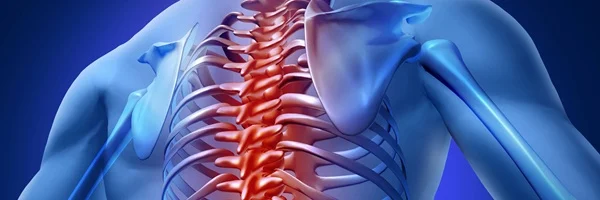
Your spine is under pressure every day. Gravity, posture, sitting, commuting, phone use, stress, old injuries, and poor movement habits all place repeated compression on the spinal discs, joints, muscles, and nerves.
Over time, that pressure can contribute to stiffness, pain, disc irritation, nerve symptoms, and loss of mobility.
At New York Chiropractic Life Center, we look at spinal decompression as part of a bigger conversation about spinal health, nervous system function, posture, and quality of life. Decompression is not just about “stretching your back.” It is about helping reduce pressure, restore motion, support disc hydration, and allow the body to function with less interference.
Quick Answer
Yes, it can be healthy to decompress your spine when it is done safely and appropriately. Natural decompression methods like walking, stretching, better posture, hydration, breathing, and proper sleep positions can help reduce daily spinal pressure. For patients with herniated discs, bulging discs, sciatica, or nerve irritation, professional non-surgical spinal decompression may provide more targeted support. However, not everyone is a candidate, which is why a proper evaluation is important.
Why Spinal Decompression Can Be Healthy
Your spine is designed to move, absorb shock, protect the spinal cord, and allow nerves to communicate with the rest of the body.
Between each spinal bone is a disc. These discs act like cushions. They help absorb pressure and create space between the vertebrae.
When the spine is compressed for too long, the discs may lose hydration, joints may become restricted, muscles may tighten, and nerves may become irritated.
This is why spinal decompression can be healthy.
It may help reduce pressure on the spine and create a better environment for movement, circulation, and healing.
Healthy decompression is not about forcing the body. It is about helping the spine regain space and motion in a safe, controlled way.
What Happens When the Spine Is Compressed?
Spinal compression can happen gradually.
You may not notice it at first.
It can begin as mild stiffness after sitting or tightness when you wake up. Then it may progress into recurring back pain, neck pain, hip tightness, headaches, or nerve symptoms.
Common signs of spinal compression may include:
Lower back pain
Neck pain
Sciatica
Numbness or tingling
Stiffness after sitting
Pain when bending
Difficulty standing tall
Pain traveling into the arms or legs
Muscle tightness that keeps returning
A heavy or “jammed” feeling in the spine
When these symptoms are mild and temporary, natural decompression strategies may help.
When symptoms are persistent, worsening, or traveling into the arms or legs, that may indicate disc or nerve involvement. That is when it becomes more important to get evaluated.
Natural Ways to Decompress Your Spine
There are several healthy ways to decompress your spine naturally.
Walking is one of the best.
When you walk, your spine moves rhythmically. Your hips rotate, your arms swing, your muscles activate, and your spinal joints receive motion. This can help reduce stiffness from prolonged sitting and support healthier spinal mechanics.
Gentle stretching can also help. Movements like cat-cow, child’s pose, knees-to-chest, pelvic tilts, and thoracic extensions can improve mobility and reduce muscle tension.
Supported hanging may help some people feel relief, but it must be done carefully. A full dead hang is not right for everyone, especially people with shoulder injuries, severe disc pain, dizziness, high blood pressure, or nerve symptoms. A supported hang, where your feet stay lightly on the floor, is often a safer option.
Proper sleep positioning also matters. Sleeping on your back with a pillow under your knees or on your side with a pillow between your knees can reduce unnecessary spinal stress. Stomach sleeping often places the neck and lower back in strained positions for hours.
Hydration matters too. Spinal discs rely on fluid balance. Hydrated tissues tend to be more resilient than dehydrated ones.
None of these habits is complicated, but they work best when done consistently.
Why Professional Decompression Is Different
Natural decompression methods are helpful, but they are general.
They may reduce daily pressure, improve movement, and relieve mild stiffness.
Professional non-surgical spinal decompression is more specific.
It is designed to gently and repeatedly reduce pressure on targeted areas of the spine. This may be especially helpful when the problem involves a bulging disc, herniated disc, degenerative disc, sciatica, or nerve compression.
One large outcome study on vertebral axial decompression included 778 patients and reported successful treatment in 71% of cases when success was defined as pain reduction to 0 or 1 on a 0 to 5 scale.
Disc Center NYC also summarizes clinical outcomes showing that 92% of patients reported improvement, with average pain decreasing from 4.1 to 1.2 on a 0 to 5 scale.
These numbers do not mean every patient will get the same result.
They do show that, for properly selected patients, decompression may be a meaningful non-surgical option worth considering.
Is Decompression Safe for Everyone?
No treatment is right for everyone.
Spinal decompression may be very helpful for many people, but it should be matched to the person, the condition, and the clinical findings.
Some patients may need a different type of care. Others may require imaging or medical referral before beginning any decompression program.
You should be especially careful if you have severe osteoporosis, spinal instability, recent fracture, certain surgical hardware, advanced neurological symptoms, cancer, infection, or unexplained severe pain.
That is why evaluation matters.
At New York Chiropractic Life Center, the goal is not to force every patient into the same treatment. The goal is to understand what is happening and recommend care that makes sense for the individual.
Benefits of Healthy Spinal Decompression
When done properly, spinal decompression may support several important goals.
It may help reduce pressure on irritated discs and nerves.
It may help improve mobility.
It may help decrease muscle guarding.
It may support better posture.
It may help some patients sit, walk, sleep, and move with less discomfort.
It may reduce the feeling of compression, heaviness, or stiffness in the spine.
For some patients, decompression is not just about pain relief. It is about getting life back.
They want to sit through work without pain.
They want to walk through New York City without fear of a flare-up.
They want to sleep better.
They want to exercise again.
They want to avoid unnecessary medication, injections, or surgery when possible.
That is why decompression can be such an important part of a conservative spinal health plan.
When Decompression May Not Be Enough
Spinal decompression can be healthy, but it is not a magic button.
If your daily habits keep recreating the same compression, results may not last.
For example, if you decompress the spine but continue sitting slouched for ten hours a day, sleeping on your stomach, staying dehydrated, and lifting poorly, the same stress may keep returning.
That is why the best results usually come from combining decompression with better spinal habits.
This may include chiropractic adjustments, postural correction, mobility exercises, core stability, ergonomic changes, hydration, walking, and better sleep positioning.
The body responds best when the whole environment supports healing.
Natural Decompression vs. Ignoring the Problem
One important distinction is this:
Natural care does not mean doing nothing.
Many people try to “wait out” spinal pain. They hope it will go away on its own. Sometimes it does. But when symptoms keep returning, travel into the arms or legs, or include numbness, tingling, or weakness, waiting can become risky.
Nerve symptoms should be taken seriously.
If a disc or spinal structure is irritating a nerve, the longer that pressure remains, the more complicated recovery may become.
That is why early evaluation can be so important.
You do not need to panic. But you should not ignore warning signs.
Final Thoughts
So, is it healthy to decompress your spine?
Yes, when it is done safely, appropriately, and with respect for your specific condition.
Natural decompression methods like walking, gentle mobility, supported hanging, hydration, posture correction, breathing, and better sleep positioning can help reduce daily spinal pressure and support healthier movement.
For people with deeper disc or nerve problems, professional non-surgical spinal decompression may offer more targeted support.
The most important step is understanding what your spine actually needs.
At New York Chiropractic Life Center, Drs. Jay and Josh Handt, DC help New Yorkers evaluate spinal stress, improve function, and explore natural options for better spinal and nervous system health.
If you are dealing with back pain, neck pain, sciatica, numbness, tingling, stiffness, or recurring spinal pressure, it may be time to find out what is really going on.
Call 212-580-3350 or visit www.NewYorkChiropractic.com to schedule your consultation.
FAQ Section
Is it healthy to decompress your spine every day?
Gentle natural decompression habits like walking, stretching, posture breaks, hydration, and proper sleep positioning can be healthy daily practices. More aggressive methods, such as hanging or inversion, may not be right for everyone and should be approached carefully.
Can spinal decompression help with sciatica?
Spinal decompression may help certain cases of sciatica when the sciatic pain is related to disc pressure or nerve irritation. A proper evaluation is needed to determine whether decompression is appropriate.
Is spinal decompression the same as stretching?
No. Stretching may reduce muscle tension and improve mobility. Professional spinal decompression is more targeted and is designed to reduce pressure on specific spinal discs and nerves.
Can decompression make back pain worse?
If done improperly or in the wrong patient, decompression may irritate symptoms. That is why people with severe pain, nerve symptoms, spinal instability, or complex spinal conditions should be evaluated before trying aggressive decompression methods.
Who should consider professional spinal decompression?
People with chronic back pain, neck pain, sciatica, herniated discs, bulging discs, degenerative disc disease, numbness, tingling, or pain traveling into the arms or legs may want to be evaluated to see if professional spinal decompression is appropriate.