How Chiropractic Adjustments Work (And Why Correcting Subluxations Helps You Move, Heal, and Stay Active)
If you’ve ever wondered what a chiropractic adjustment actually does, you’re not alone. People often describe it as “cracking the back,” but that nickname misses the point.
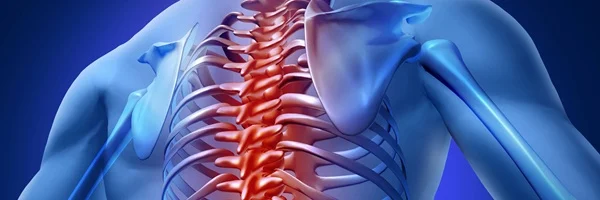
A chiropractic adjustment is a precise clinical procedure designed to detect and correct vertebral subluxations—patterns of spinal dysfunction that can alter movement, increase stress on tissues, and affect how the nervous system coordinates the body.
At New York Chiropractic, we don’t chase symptoms or do random visits. We build care around a structured corrective plan and a long-term framework aligned with the 100 Year Lifestyle philosophy—because we’re not only aiming for short-term relief. We’re helping you build a spine and nervous system that supports your life for decades.
In this guide, you’ll learn what subluxation is, how adjustments work, what the “pop” means, what you might feel afterward, and why chiropractic works best as a plan.
What Is a Vertebral Subluxation?
A vertebral subluxation is a functional problem in the spine—where spinal joints and the surrounding neuromuscular system are not moving, coordinating, or adapting the way they should.
This is not simply “a bone out of place.” In modern practice, subluxation is best understood as a neuromechanical stress pattern that may involve:
- Reduced or altered spinal motion at specific segments
- Changes in muscle tone and coordination around the spine
- Increased strain on discs, joints, and soft tissues
- Distorted “input” to the brain about posture and movement
- A tendency toward recurring tension, stiffness, or flare-ups
When subluxation patterns persist, the body compensates. And compensation is expensive—you may get through your day, but you pay for it later with tightness, fatigue, reduced performance, or recurring pain cycles.
What Is a Chiropractic Adjustment?
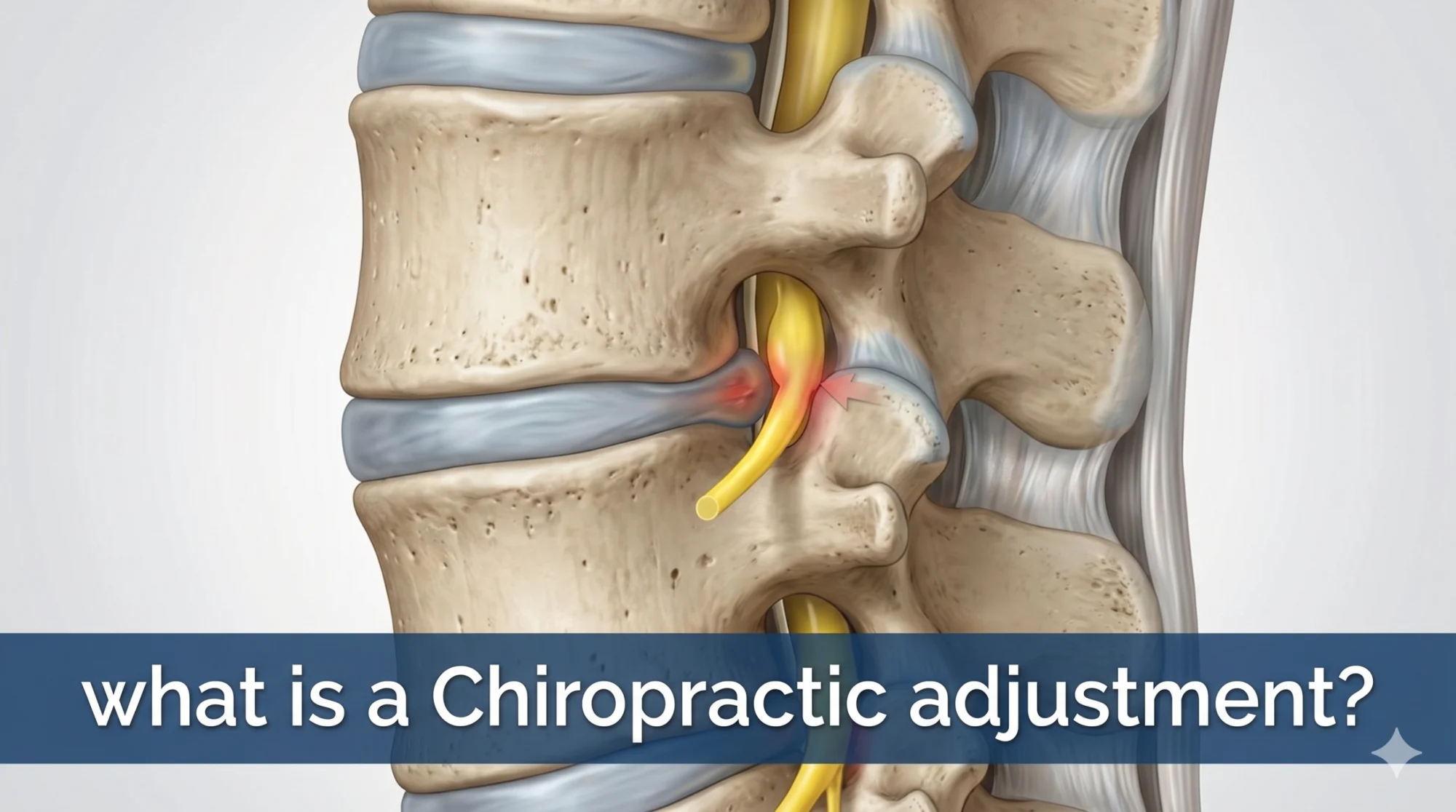
A chiropractic adjustment is a specific, controlled correction designed to reduce a vertebral subluxation and improve how the spine and nervous system function together.
The goal is not “cracking.” The goal is restoring healthier motion, improving coordination, and reducing stress in the system.
An effective adjustment is:
- Specific (applied to the right segment)
- Controlled (proper direction, timing, and force)
- Intentional (based on your exam findings and goals)
In other words: it’s not random force—it’s a skilled clinical procedure.
How Chiropractic Adjustments Work Inside the Body
There are two major layers to how subluxation correction works: the mechanical effect and the neurological effect.
Mechanical Effect: Restoring Motion and Reducing Mechanical Stress
Your spine is designed to move. When a segment develops a subluxation pattern, it often loses normal motion. That can create a cascade of problems:
- Nearby areas compensate and “overmove”
- Muscles tighten to protect the segment
- Discs and joints experience uneven loading
- Posture shifts subtly over time
A well-delivered adjustment helps restore more normal segmental motion and reduce the “jamming” or mechanical stress that builds when the spine isn’t moving properly.
This matters because real life is mechanical. Sitting, lifting, commuting, training, parenting, traveling—your spine must tolerate force repeatedly. Better motion and better mechanics often mean better tolerance to the demands of your life.
Neurological Effect: Improving Coordination and Calming Protective Guarding
Your spine is also a major input system for the brain. Joints and muscles continuously send information about position, movement, balance, and threat vs. safety.
When a vertebral subluxation pattern exists, that input can become “noisy” or distorted. The nervous system may respond with protective strategies such as:
- Increased muscle tone and tightness
- Guarding and stiffness
- Sensitivity around the area
- Altered movement patterns that feel “stuck”
By correcting subluxations, chiropractic adjustments can help normalize that input and improve coordination—one reason many people feel more upright, freer, or more stable after care.
What Is the “Pop” Sound During an Adjustment?
The popping sound (often called cavitation) is commonly misunderstood. In many cases, it’s simply a rapid change in joint pressure and gas bubbles releasing inside joint fluid.
Nothing is “breaking.” And importantly: the sound is not the goal. Many effective subluxation corrections occur without any pop at all.
At New York Chiropractic, the objective is always the same: reduce subluxation, improve function, and build stability—whether or not a sound happens.
What Does an Adjustment Feel Like?
Most patients describe an adjustment as a quick, brief pressure followed by release, and often followed by improved motion or ease.
We tailor care to the person. Some patients prefer gentler approaches, especially when tissues are inflamed, protective, or highly sensitive. The plan is always based on what is appropriate for your presentation, exam findings, and goals.
Why You Might Feel Sore After an Adjustment
Mild post-adjustment soreness can happen—especially if subluxation patterns have been present for a long time and tissues are deconditioned, guarded, or irritated.
Common reasons include:
- Muscles relaxing after long-term guarding
- Joints moving differently than they have in months or years
- Soft tissues adapting to improved motion
- Lifestyle or activity overload immediately after care
Most soreness is temporary and resolves within 24–48 hours, similar to how you might feel after a new workout.
Soreness does not automatically mean something went wrong. Often it means your body is adapting to a better motion pattern. (And if something doesn’t feel right, we want to know—good care includes good feedback.)
Why Chiropractic Works Best as a Plan (Not Random Visits)
One of the biggest misconceptions is thinking chiropractic is a one-time event. In reality, subluxation patterns are often repetitive—built over time through posture, stress, injuries, training wear-and-tear, work demands, and daily habits.
That’s why corrective care plans are typically structured, such as:
- 24 visits over 8 weeks, or
- 36 visits over 12 weeks
These plans allow enough repetition for your body to:
- Reduce subluxation patterns consistently
- Retrain movement and posture
- Improve stability and resilience
- Decrease flare-up cycles
- Create changes that hold under real-life demands
Relief can be quick. Stability takes repetition.
What to Expect at New York Chiropractic
We don’t guess—we assess. Your experience may include:
- Detailed history and clinical exam
- Orthopedic and neurological testing as appropriate
- Posture and movement evaluation
- A clear explanation of findings
- A structured corrective plan aligned with your goals
If your case includes disc-related stress or radiating symptoms, we’ll help determine what additional strategies may be appropriate and explain the steps clearly.
And if insurance is involved, we verify benefits so you can make decisions with realistic estimates—while reinforcing a key principle: insurance never dictates what’s clinically appropriate. Your health goals and clinical findings do.
The Bigger Picture: Building a “100-Year Spine”
Most patients don’t just want less pain. They want a body that stays capable.
Correcting vertebral subluxations supports:
- Better motion and mobility
- Better posture and movement efficiency
- Better tolerance to sitting, standing, lifting, and training
- Better resilience under stress
- Better long-term spinal performance
Chiropractic adjustments are one powerful tool. When combined with corrective planning, movement strategies, soft tissue support, and lifestyle alignment, they become part of a system designed to help you stay active and adaptable for the long run.
If you’re tired of short-term fixes and want a clear plan built around correcting subluxations and improving function, schedule an evaluation at New York Chiropractic. We’ll help you understand what’s happening, what it means, and the smartest path forward, so you can move forward with confidence.
1) What is a vertebral subluxation in chiropractic?
A vertebral subluxation is a functional spinal problem where motion and neurological coordination are altered, often increasing stress and contributing to recurring tension, stiffness, or pain patterns.
2) Is the popping sound necessary for an adjustment to work?
No. The goal is reducing subluxation and improving function—not creating a sound.
3) How long do chiropractic adjustments last?
It varies. Early on, improvements may be temporary until the spine stabilizes. Corrective plans help results hold longer.
4) Why do I feel sore after an adjustment?
Mild soreness can occur as joints and muscles adapt to improved motion—often similar to workout soreness—and typically resolves within 24–48 hours.
5) Can chiropractic help posture?
Yes, especially as part of a corrective plan that includes consistent subluxation correction plus movement and habit strategies.
6) How many visits will I need?
Corrective plans commonly follow 24 visits/8 weeks or 36 visits/12 weeks, depending on severity, history, and goals.
7) Is chiropractic safe?
For most people, chiropractic care is considered very safe when performed appropriately after a proper evaluation.