Why You May Get a Headache After a Chiropractic Adjustment (And What It Usually Means)
If you’ve ever had a headache after a chiropractic adjustment, it can feel confusing. You came in to feel better—so why would your head start aching afterward?
Here’s the good news: in many cases, a mild headache after an adjustment is a normal, short-term response while the body adapts. Chiropractic adjustments are designed to correct vertebral subluxations—functional patterns where the spine isn’t moving and coordinating properly. When those patterns change (especially in the neck and upper back), muscles, joints, and the nervous system may need a short window to recalibrate.
At New York Chiropractic, we correct subluxations strategically, with the goal of improving function and long-term stability—not just chasing symptoms. In this article, you’ll learn why post-adjustment headaches can happen, what’s normal vs. not, what to do to feel better faster, and how a structured corrective plan typically reduces these reactions over time.
First, What Are We Correcting? Vertebral Subluxation
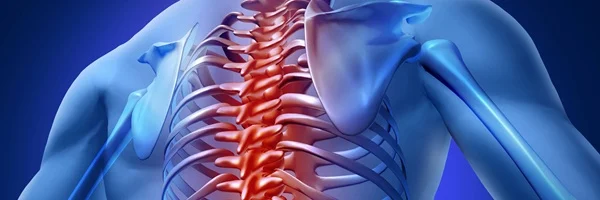
A chiropractic adjustment is a precise correction designed to reduce vertebral subluxations. A vertebral subluxation isn’t simply a “bone out of place.” It’s a functional pattern where spinal motion and neuromuscular coordination are altered, often creating stress in joints, discs, soft tissues, and the nervous system’s control systems.
In the neck and upper back, subluxation patterns are especially common because of modern lifestyle factors: screens, laptops, long commutes, stress, jaw clenching, poor sleep positions, and sustained forward-head posture.
When subluxation patterns are corrected, the body can respond with improvement—but it may also respond with a short, temporary adjustment period. A mild headache can be part of that transition.
Is a Headache After a Chiropractic Adjustment Normal?
Often, yes—especially in the beginning of care or after correcting significant neck/upper back tension patterns.
A “normal” post-adjustment headache is typically:
- Mild to moderate
- Feels like a tension-type headache (tight band, pressure, heaviness)
- May be felt around the base of the skull, temples, or behind the eyes
- Improves within 24 hours (sometimes up to 48 hours)
- Responds to hydration, gentle movement, and rest
What’s not normal is a headache that is severe, escalating, persistent, or paired with concerning neurological symptoms. We’ll cover those “red flags” below.
8 Common Reasons You May Get a Headache After an Adjustment
1) Muscle Tension Is Reorganizing (Protective Guarding Changes)
Many headaches are muscular. If your neck and upper back have been guarding for a long time due to subluxation patterns, correcting those patterns can cause muscles to “let go,” then re-stabilize. That transition can feel like soreness or pressure that refers upward into the head.
People often don’t realize how much their headache is linked to the neck, shoulders, and upper back until those areas start changing.
2) The Upper Cervical Area Is Sensitive to Change
The top of the neck (upper cervical region) has a high density of sensory receptors. When motion improves after subluxation correction, that change can temporarily alter sensory input to the brain—sometimes felt as a brief headache or pressure sensation.
This is one reason we tailor technique, force, and pacing to the individual and to what we find on examination.
3) Posture Shifts Can Trigger Temporary “Adaptation Headaches”
Forward head posture and rounded shoulders are extremely common in NYC. When chiropractic care improves spinal motion and reduces subluxation patterns, posture often begins to shift—sometimes subtly, sometimes noticeably.
When posture changes, muscles that were overworking may calm down, and muscles that were underworking may wake up. That change can create a temporary headache—similar to how you might feel when you start strengthening muscles that haven’t been used correctly.
4) A Cervicogenic Headache Pattern Was Already Present
Some headaches are classified as “cervicogenic,” meaning they originate from the neck (joints, muscles, or upper cervical mechanics). If you already had a cervicogenic pattern, an adjustment may temporarily bring awareness to those tissues as they change—then improve as the pattern stabilizes over repeated visits.
This is why a single visit can’t always predict the outcome of a corrective plan.
5) Hydration and Recovery Status Amplify Symptoms
Dehydration, poor sleep, stress overload, and under-recovery can make your nervous system more reactive. Many headaches are made worse by:
- Not enough water
- Too much caffeine
- Poor sleep posture
- High stress and jaw clenching
- Skipping meals or low electrolytes
After subluxation correction, a reactive system may produce a headache even if the adjustment itself was appropriate.
6) You Held Tension in the Jaw or Upper Traps
Jaw tension and headaches often travel together. Clenching, grinding, and tight temporalis muscles can contribute to headaches. When neck/upper back subluxation patterns improve, the jaw and face tension patterns can temporarily change too—sometimes felt as a headache at the temples or behind the eyes.
7) You Did Too Much Too Soon After the Visit
A very common cause of post-adjustment headaches is what happens after the appointment—especially early in corrective care. Examples include:
- Long laptop sessions immediately after care
- Heavy lifting or intense training
- Long drives or stressful commuting
- Hours of phone time with the head tilted
- Inadequate hydration after care
Early in care, the spine is improving, but stability is still developing. How you load your body after the visit matters.
8) The “Dose” May Need Adjustment (And That’s Okay)
Chiropractic is not one-size-fits-all. Some patients need a gentler approach initially, especially if:
- The area is acutely inflamed
- The nervous system is highly sensitive
- There’s a long history of recurring episodes
- There are significant postural compensations
If you tend to get headaches after neck care, that’s not a failure—it’s feedback. At New York Chiropractic, we use that feedback to adjust technique, pacing, and supportive strategies so the plan stays comfortable and effective.
What to Do If You Get a Headache After an Adjustment
Most mild post-adjustment headaches respond well to simple strategies. Here’s what we typically recommend (depending on your case):
- Drink water (and consider electrolytes if you’re prone to headaches)
- Take a gentle 10–20 minute walk to reinforce healthier movement
- Use ice at the base of the skull/upper neck if it feels inflamed (10–15 minutes)
- Use gentle heat if it feels tight and stiff (10–15 minutes)
- Avoid heavy lifting or max-intensity workouts for 12–24 hours early in care (unless we advise otherwise)
- Reduce screen time and avoid sustained forward head posture for the rest of the day
- Prioritize sleep that night (recovery is where stability builds)
If we’ve prescribed specific stretches or exercises, follow those—because they’re chosen for your subluxation pattern and mechanics.
When a Post-Adjustment Headache Is NOT Normal (Call Us)
While mild headaches can be normal, contact the office promptly if you experience:
- Severe headache that escalates instead of improves
- Headache with new numbness, weakness, or significant neurological symptoms
- Visual changes, fainting, or major dizziness that feels alarming
- Headache that persists beyond 48 hours without improvement
- Symptoms that feel dramatically different than what you typically experience
Our standard is that you should feel informed and supported—not left to wonder if you should “just wait it out.”
Why Corrective Chiropractic Care Often REDUCES Headaches Over Time
Many people search “headache after adjustment” because they want reassurance. That’s valid. But the deeper strategy is this: when chiropractic is delivered as a structured plan, the spine and nervous system become more stable, and these temporary reactions typically decrease.
That’s why corrective chiropractic care is commonly structured as:
- 24 visits over 8 weeks, or
- 36 visits over 12 weeks
Those plans allow time to:
- Reduce subluxation patterns consistently
- Improve posture and movement mechanics
- Reduce chronic muscle guarding
- Build stability so results hold
- Decrease flare-up cycles (including tension-type headache patterns)
Random visits often produce random results. Strategic corrective care produces compounding results.
What to Expect at New York Chiropractic
At New York Chiropractic, we don’t guess. We assess. Your visit may include:
- Detailed history and examination
- Orthopedic and neurological testing as appropriate
- Posture and movement assessment
- Clear explanation of subluxation patterns and contributing factors
- A corrective care plan aligned with your goals
If insurance is involved, we verify benefits to provide realistic estimates—while making this clear: insurance does not dictate clinical recommendations. Your exam findings and goals do.
Call to Action
If you’ve experienced headaches after chiropractic care and want a plan built around correcting subluxations safely and effectively, schedule an evaluation at New York Chiropractic. We’ll identify what’s driving the pattern, explain what’s happening, and guide you through a corrective approach designed to hold up in real life.
FAQ
1) Is it normal to get a headache after a chiropractic adjustment?
A mild headache can be normal and temporary, especially early in care, and often resolves within 24–48 hours.
2) Why would an adjustment cause a headache?
Subluxation correction can change neck/upper back motion, muscle tone, and posture mechanics. As tissues adapt, mild headache pressure can occur temporarily.
3) How long should a post-adjustment headache last?
Most mild headaches improve within 24 hours and typically resolve within 48 hours. If it persists or worsens, contact the office.
4) What can I do to feel better faster?
Hydrate, take a short walk, reduce screen time, avoid heavy workouts early in care, and use ice for inflammation or gentle heat for stiffness.
5) Are headaches related to neck subluxations?
Many headaches involve neck and upper back mechanics and muscle tension patterns. A proper exam helps determine whether the neck is contributing.
6) When should I worry about a headache after chiropractic?
Seek guidance if the headache is severe, escalating, persistent beyond 48 hours, or accompanied by neurological symptoms like weakness, numbness, or visual changes.
7) Can chiropractic help reduce headaches long-term?
Many patients experience fewer tension-type or cervicogenic headaches as subluxation patterns, posture mechanics, and chronic guarding improve under a corrective plan.