Can spinal decompression really help?
Can spinal decompression really help back pain, neck pain, herniated discs, sciatica, and nerve pressure? Learn how non-surgical decompression works and who may benefit.
If you are dealing with chronic back pain, neck pain, sciatica, herniated discs, bulging discs, numbness, tingling, or pain traveling into your arms or legs, you may be wondering:
“Can spinal decompression really help?”
It is a fair question.
Many people come to this question after trying rest, stretching, medication, massage, injections, physical therapy, or simply hoping the pain will go away on its own.
And when the pain keeps coming back, the next thought is often:
“Do I have to live with this?”
“Will this get worse?”
“Is surgery the only option?”
“Is there a non-surgical way to take pressure off the spine?”
At New York Chiropractic Life Center, we believe the answer begins with understanding the cause of the problem. Spinal decompression can help many properly selected patients, but it is not a magic machine and it is not right for everyone.
For the right person, though, non-surgical spinal decompression may be one of the most valuable conservative options for disc-related pain and nerve pressure.
Quick Answer
Yes, spinal decompression can really help properly selected patients, especially those with disc-related back pain, neck pain, sciatica, herniated discs, bulging discs, degenerative disc disease, and nerve irritation. The goal is to gently reduce pressure on the spinal discs and nerves. Disc Center NYC summarizes clinical outcomes reporting that 92% of patients improved, with average pain decreasing from 4.1 to 1.2 on a 0 to 5 scale. HillDT Solutions also describes spinal decompression as FDA-cleared therapy and notes that the HillDT table uses load-sensor technology to monitor treatment force and patient resistance.
What Spinal Decompression Is Designed to Do
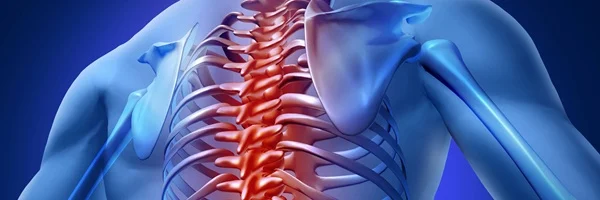
Spinal decompression is designed to reduce pressure on the spine.
More specifically, non-surgical spinal decompression gently unloads the discs and nerves through controlled traction.
When a spinal disc is compressed, bulging, herniated, dehydrated, or degenerating, it can irritate nearby nerves. This may lead to symptoms such as back pain, neck pain, sciatica, numbness, tingling, burning pain, weakness, or pain traveling into the arms or legs.
The goal of decompression is not simply to stretch muscles.
The goal is to reduce pressure in a more controlled and targeted way.
When pressure decreases, irritated tissues may have a better environment to calm down. The spine may move better. The nerves may become less irritated. The muscles may guard less. Patients may feel less compressed and more mobile.
How Is It Different from Regular Traction or Stretching?
Many people ask whether spinal decompression is just stretching.
It is not the same.
Stretching is general. Hanging is general. Inversion is general.
Professional spinal decompression is more controlled.
HillDT Solutions explains that the HillDT spinal decompression table uses load sensor technology that constantly measures and monitors treatment force and patient resistance. The table is described as sensing the patient’s approaching threshold and reducing the pull, allowing low-force, smooth decompression.
That matters because many patients with disc pain are guarded. Their muscles tighten to protect the area. If traction is too aggressive, the body may resist it. More force is not always better.
The goal is comfortable, controlled unloading that the body can tolerate.
At New York Chiropractic Life Center, this fits our broader philosophy: identify the cause, respect the nervous system, and use care that supports function instead of forcing the body.
Who May Benefit from Spinal Decompression?
Spinal decompression may help patients whose symptoms are related to disc pressure or nerve irritation.
This may include people with herniated discs, bulging discs, degenerative disc disease, sciatica, pinched nerves, chronic lower back pain, chronic neck pain, pain traveling into the legs, pain traveling into the arms, numbness, tingling, or certain cases of post-surgical symptoms.
The key phrase is properly selected.
Not every back pain case is a decompression case.
Some pain is primarily muscular. Some is joint-related. Some is inflammatory. Some may involve instability, fracture, infection, or other serious conditions. Some cases need imaging, medical co-management, or referral.
This is why evaluation matters.
A treatment is only as good as the diagnosis behind it.
What Results Does the Research Show?
The clinical outcomes summarized through Disc Center NYC are encouraging for properly selected patients.
The Disc Center NYC clinical studies page reports that 92% of patients improved, with average pain decreasing from 4.1 before treatment to 1.2 after treatment on a 0 to 5 pain scale. The same summary reports improvements among patients with decreased spinal mobility and limited activities.
HillDT’s website also states that spinal decompression is an FDA-cleared therapy and highlights doctor-reported better outcomes after investing in the HillDT spinal decompression table.
These numbers should be used responsibly.
They do not guarantee the same result for every patient.
They do show that non-surgical decompression may be a meaningful option for certain people with disc-related pain and nerve irritation.
Why Some Patients Feel Relief
Many patients feel relief because decompression addresses a mechanical problem: pressure.
If a disc is irritating a nerve, reducing pressure may help reduce nerve irritation.
If the spine feels jammed or compressed, unloading may create a feeling of space.
If the muscles have been guarding, decompression may help calm the protective tension.
If pain has limited movement, improved mobility can help restore confidence.
This is why patients often describe feeling lighter, looser, taller, or less compressed after decompression.
But the goal is not just temporary relief.
The deeper goal is better function.
Can you sit longer without pain?
Can you walk farther?
Can you sleep better?
Can you move with less fear?
Can you return to work, family, exercise, and daily life with more confidence?
That is what matters.
Why It May Not Help Everyone
Spinal decompression does not help everyone.
It may not help if the diagnosis is wrong, if the pain is not related to disc or nerve pressure, if the condition is too advanced, if the patient stops care too early, or if daily habits keep irritating the spine.
It may also be inappropriate for some patients with severe osteoporosis, spinal fractures, spinal instability, certain surgical hardware, cancer, infection, or serious neurological symptoms.
Urgent symptoms include progressive weakness, loss of bowel or bladder control, saddle numbness, difficulty walking, or rapidly worsening neurological changes.
Those signs require immediate medical evaluation.
The goal is not to put every patient on a decompression table.
The goal is to determine who is likely to benefit and who needs something else.
Daily Habits Matter
Spinal decompression can help reduce pressure, but your daily habits determine how much pressure you keep putting back on the spine.
If you decompress the spine and then sit slouched for ten hours, sleep on your stomach, lift heavy objects poorly, stay dehydrated, skip movement, and stare down at your phone all day, you may keep recreating the problem.
That is why decompression works best as part of a bigger spinal health plan.
This may include chiropractic care, posture coaching, mobility exercises, walking, hydration, ergonomic changes, sleep-position advice, and better lifting mechanics.
At New York Chiropractic Life Center, the goal is not only to help you feel better for a day.
The goal is to help you build a spine and nervous system that can handle life better.
How New York Chiropractic Life Center Approaches Care
New York Chiropractic Life Center includes non-surgical spinal decompression among its services, alongside corrective chiropractic care, nutrition and cleansing, pediatric chiropractic, gut health, massage therapy, whole-family wellness care, and common condition care. The website describes the practice’s approach as root-cause focused and highlights non-surgical spinal decompression as FDA-cleared technology with no downtime.
For patients, that matters because disc pain often requires more than a single intervention.
We look at posture, spinal motion, neurological symptoms, daily habits, lifestyle demands, and the person’s goals.
A desk worker may need decompression plus ergonomic changes.
An athlete may need decompression plus movement strategy.
A parent may need lifting modifications.
A frequent traveler may need sitting and walking guidelines.
The right plan should fit the person’s real life.
Final Thoughts
So, can spinal decompression really help?
Yes, for the right patient, it can.
It may help reduce spinal pressure, calm nerve irritation, support disc-related healing, improve mobility, and help people return to daily life with more comfort and confidence.
But it is not for everyone, and it should not be recommended blindly.
The first step is understanding the cause of your pain.
At New York Chiropractic Life Center, Drs. Jay and Josh Handt, DC help New Yorkers evaluate spinal problems and explore natural, non-surgical options when appropriate.
If you are dealing with back pain, neck pain, sciatica, herniated discs, bulging discs, numbness, tingling, or chronic spinal pressure, it may be time to find out if spinal decompression can help you.
Call 212-580-3350 or visit www.NewYorkChiropractic.com to schedule your consultation.
FAQ Section
Can spinal decompression really help back pain?
Yes, spinal decompression may help properly selected patients, especially when back pain is related to disc pressure, herniated discs, bulging discs, degenerative discs, or nerve irritation.
Can spinal decompression help sciatica?
Spinal decompression may help certain cases of sciatica when symptoms are related to disc pressure irritating a nerve. A proper evaluation is needed.
Is spinal decompression the same as stretching?
No. Stretching is general. Professional spinal decompression is more controlled and may be targeted to specific spinal regions and patient needs.
How many sessions does spinal decompression take?
The number of sessions depends on the diagnosis, severity, symptoms, and patient response. Chronic disc and nerve problems usually require a structured series of visits.
Is spinal decompression right for everyone?
No. Patients with severe osteoporosis, fractures, spinal instability, certain surgical hardware, cancer, infection, or serious neurological symptoms may not be candidates and should be properly evaluated.