Benefits of Chiropractic Adjustments: How Correcting Subluxations Supports Pain Relief, Posture, and Long-Term Spinal Health
People often search for chiropractic because they hurt. That makes sense—pain gets your attention. But the deeper value of chiropractic isn’t just about temporary relief. The true benefit comes from correcting vertebral subluxations and building a spine that moves, adapts, and performs better over time.
At New York Chiropractic, we focus on a long-term corrective and lifestyle approach aligned with the 100 Year Lifestyle philosophy. That means we’re not just trying to help you feel better this week—we’re working toward a spine and nervous system that supports your life for decades.
This guide explains the most important benefits of chiropractic adjustments, what those benefits actually mean in the real world, and why the best outcomes come from a structured plan rather than random visits.
First, What Are Chiropractic Adjustments Correcting? Subluxation.
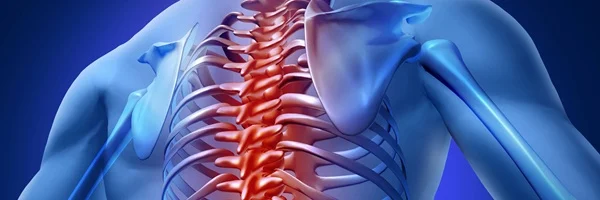
A chiropractic adjustment is a precise correction designed to reduce vertebral subluxations. A subluxation isn’t simply a “bone out of place.” It’s a functional pattern where the spine is not moving and coordinating properly, creating neuromechanical stress that can affect joints, discs, muscles, and the nervous system’s control of movement.
When subluxation patterns persist, the body compensates. Muscles tighten. Posture shifts. Movement becomes less efficient. Over time, that compensation can contribute to recurring flare-ups, stiffness, and the feeling that your body is “aging faster than it should.”
Correcting subluxations is about restoring better motion, better coordination, and better adaptability—so you can live with less limitation and more resilience.
Benefit 1: Improved Spinal Motion and Mobility
One of the most immediate benefits people notice after an adjustment is improved mobility—turning your head easier, standing straighter, bending with less stiffness, or simply feeling “less stuck.”
Why this happens: subluxation patterns often reduce normal segmental motion. When motion returns, your body can distribute stress more evenly and move with less resistance.
This matters because mobility is not a luxury—it’s a foundation. Reduced mobility changes how you walk, sit, lift, train, and even breathe. A spine that moves well supports everything you do.
Benefit 2: Less Muscle Tension and Guarding
Chronic tightness is often protective. When the nervous system perceives irritation or instability, it increases muscle tone to “splint” the area. That’s why people with subluxation patterns often report tight traps, neck tension, low back tightness, or one hip/shoulder always feeling “locked.”
When an adjustment reduces subluxation, the nervous system may begin to calm guarding, and muscles can stop working overtime.
This is why some people say, “I didn’t realize how tense I was until I wasn’t.”
Benefit 3: Relief From Recurring Pain Cycles (Back, Neck, and Beyond)
Many patients come in with a pattern: feel okay, then a flare-up, then rest and stretch, then repeat. Chiropractic can interrupt that loop by correcting the underlying subluxation patterns that contribute to mechanical stress and poor movement coordination.
This is not about pretending every pain is the same. Pain can come from muscles, joints, discs, posture, stress load, and more. But subluxation correction can reduce one major driver: dysfunctional spinal mechanics and neuromuscular coordination.
When the spine moves better and stabilizes better, many people experience fewer flare-ups and more confidence in daily movement.
Benefit 4: Better Posture and Spinal Alignment Over Time
Posture isn’t just “standing up straight.” It’s the result of how your spine moves, how your nervous system controls muscles, and what your body has adapted to over time.
Subluxation patterns and compensation can contribute to:
- Forward head posture
- Rounded shoulders
- Rib flare and tension through the mid-back
- Pelvic shifts and hip imbalance
- A sense that you “can’t hold good posture” even when you try
Adjustments can support posture by improving segmental motion and reducing compensations. But posture changes most reliably when chiropractic is delivered as a corrective plan—often paired with movement guidance.
The real win isn’t “perfect posture.” The win is improved mechanics that hold up under real life: work, stress, commuting, screens, training, and sleep.
Benefit 5: Improved Movement Quality and Athletic Performance
Even if you don’t consider yourself an athlete, your body performs movement every day. If movement quality is poor, your risk of repetitive strain goes up.
When subluxations are corrected, many patients report:
- Better range of motion
- Cleaner movement patterns
- Less “pinching” or “catching”
- Better training tolerance
- Faster recovery from tightness patterns
This isn’t magic. It’s mechanics plus neurology: better motion and better control create better output.
For performance-driven people in NYC—busy professionals, runners, lifters, cyclists, desk workers—this is often one of the most valuable benefits.
Benefit 6: Support for Disc and Joint Stress (When Appropriate)
Not all spinal stress is disc-related, but many people are dealing with some combination of disc wear, inflammation, or irritation—sometimes without realizing it.
Correcting subluxation patterns can help reduce uneven loading and mechanical stress that may aggravate discs and joints. This is especially important when someone’s daily life includes long sitting, poor ergonomics, repetitive lifting, or frequent travel.
If your case suggests disc involvement, we evaluate it carefully and may recommend a more structured plan and supportive therapies when appropriate.
The goal is always the same: reduce the stress pattern, restore function, and build stability.
Benefit 7: Improved Body Awareness and Coordination
Your spine is one of the brain’s major sources of information about balance, position, and movement. When spinal motion is dysfunctional, the quality of that input can degrade.
After subluxation correction, many people notice:
- Feeling more “centered”
- Feeling more stable on their feet
- Better coordination in movement
- A more natural upright posture
This is one reason chiropractic is not only about pain—it can be about function, precision, and control.
Benefit 8: Better Stress Resilience and Recovery
Modern life is intense, especially in NYC. Stress is not only mental—it’s physical and neurological. When the body is stuck in high tension, it often struggles to recover.
Chiropractic adjustments that reduce subluxation and guarding can help the body downshift from chronic “protective mode.” Many patients describe feeling calmer or sleeping better after consistent care.
This does not mean chiropractic is a cure-all for every stress-related problem. It means the nervous system often responds positively when mechanical stress is reduced and movement improves.
A 100 Year Lifestyle approach also includes recovery habits: hydration, sleep, movement, breathing, and consistency—because those are the inputs your nervous system lives on.
Benefit 9: Long-Term Spinal Durability (The “100-Year Spine” Goal)
Here’s the truth that separates premium corrective care from symptom chasing: your spine is either trending toward greater resilience or greater breakdown.
Subluxation patterns, compensation, poor posture, and repetitive stress don’t always create immediate symptoms. But they create a long-term direction.
Corrective chiropractic care is about changing that direction by:
- Reducing subluxation patterns consistently
- Improving movement and posture mechanics
- Building stability so results hold
- Helping your spine tolerate life better
This is why we emphasize plans, not random visits. Relief is good. Stability is better. Durability is the real endgame.
Why the Best Benefits Come From a Structured Plan
Some people feel amazing after one adjustment. Others feel incremental improvement over weeks. Both can be normal.
But here’s what matters: if subluxation patterns developed over time, then lasting change usually requires repetition and structure.
That’s why corrective plans often follow patterns such as:
- 24 visits over 8 weeks, or
- 36 visits over 12 weeks
This allows time for the body to:
- Reduce subluxation patterns consistently
- Retrain movement control
- Decrease flare-up cycles
- Build stability and resilience
Random care often produces random outcomes. Strategic corrective care produces compounding outcomes.
What to Expect at New York Chiropractic
At New York Chiropractic, we don’t guess—we assess and plan. Your care may include:
- Detailed history and examination
- Orthopedic and neurological testing as appropriate
- Posture and movement assessment
- Clear explanation of findings
- A corrective care plan aligned with your goals
If insurance is involved, we verify benefits so you can make decisions with realistic estimates. We also make this clear: insurance never dictates clinical recommendations. Your spine, your goals, and your exam findings do. If you want more than temporary relief—if you want a spine that moves better, holds better, and supports your life long-term—schedule an evaluation at New York Chiropractic. We’ll identify your subluxation patterns, explain what they mean, and build a plan that fits your body and your lifestyle.
FAQ
1) What are the main benefits of chiropractic adjustments?
Key benefits include improved mobility, reduced muscle tension, fewer flare-ups, better posture mechanics, improved movement quality, and long-term spinal durability through subluxation correction.
2) How does correcting subluxations help the body?
Reducing vertebral subluxations can improve spinal motion and neuromuscular coordination, lowering mechanical stress and improving the body’s ability to adapt and stabilize.
3) Can chiropractic help posture?
Yes, especially with a corrective plan. Adjustments support posture by improving motion and reducing compensations, often paired with movement and habit guidance.
4) How many visits does it take to see benefits?
Some people notice benefits quickly, while others improve over weeks. Corrective plans often follow 24 visits/8 weeks or 36 visits/12 weeks depending on severity and goals.
5) Are chiropractic benefits only about pain relief?
No. Many benefits relate to function: mobility, coordination, posture mechanics, performance, and resilience under daily stress.
6) Is it normal to be sore after an adjustment?
Mild soreness can be normal for 24–48 hours, especially early in care, as tissues adapt to improved motion after subluxation correction.
7) Can chiropractic help with back pain and neck pain?
Many patients seek chiropractic for back and neck pain patterns related to mechanics, tension, and recurring flare-ups. A proper evaluation determines the best plan.