Preventing and Managing Back Injuries in Pickleball and Tennis
By Dr. Jay Handt, DC, Founder of NYCLC, 45+ Years Sports & Family Chiropractic, 100 Year Lifestyle Certified; and Dr. Josh Handt, DC, Chiropractor, 20+ Years Performance & Family Chiropractic, 100 Year Lifestyle Certified, National Spinal Decompression Certified, National Neuropathy and Decompression Certification, Webster Technique Certified, Jackson Craio-Cervical Technique Certified.
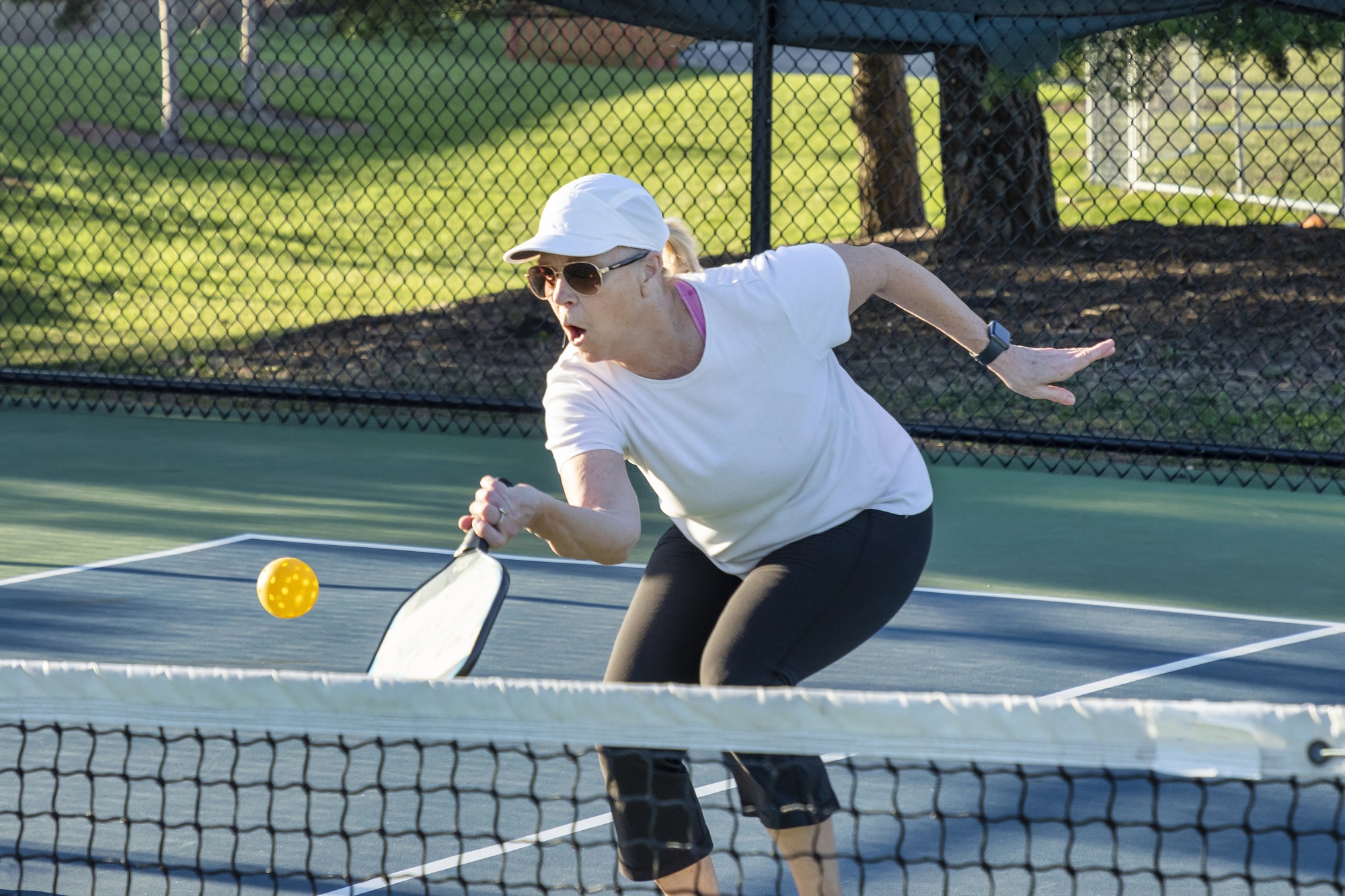
The popularity of pickleball and tennis is soaring with players of all ages, from spirited beginners to lifelong enthusiasts. But as more people hit the courts, more are sidelined by stubborn low back pain, stiffness, and injuries that sap the fun from every game. If you find yourself dreading a serve or cutting rallies short because of your back, this guide is for you.
Contrary to popular belief, back pain isn’t just “part of the game” or a sign you should give up the sports you love. With modern, proactive strategies and expert conservative care, you can break the pain cycle and stay strong, mobile, and competitive for years to come.
What You’ll Learn in This Guide
- Why pickleball and tennis uniquely challenge your spine and back muscles
- Common causes behind persistent and recurring pain & injuries
- How chiropractic assessment, decompression, and movement training keep athletes playing strong
- A relatable athlete case vignette
- Step-by-step strategies for recovery and prevention, plus advanced FAQs
Why Are Back Injuries so Common in Racket Sports?
Racket sports might seem less risky than contact games, but they demand fast, repetitive, and complex movements that put unique stresses on the spine:
- Sudden directional changes, quick sprints, and rapid stops place high torque on the lower back
- Powerful trunk rotation with every serve or backhand strains lumbar discs and joints
- Repetitive bending, reaching, and lunging can overload muscles, tendons, ligaments, and discs – especially with little rest between points
- One-sided dominance (favoring a forehand, backhand, or dominant serve) leads to muscle imbalances over time
- Aging, previous injuries, or “comeback” phases (after time off) make players more vulnerable to overloading their lower back
The American Chiropractic Association and NIH/NINDS both recognize that high-volume, high-repetition sports require special biomechanical attention for lifelong spinal health.
Case Vignette: Marty’s Pickleball Comeback
Marty, aged 47, played competitive tennis in college and recently discovered pickleball. After months of weekly matches, he noticed morning stiffness and an aching back after each game – sometimes paired with tight hips or a twinge of radiating pain into his left leg. Rest, ibuprofen, and basic stretching offered only temporary relief. After a while, he began skipping matches and felt his confidence slipping.
A comprehensive chiropractic evaluation and movement assessment uncovered overactive hip flexors, weak glute/core stabilizers, and limited trunk mobility. Instead of “shutting down,” Marty’s care team designed a program of non-surgical decompression, gentle spinal adjustments, targeted court-specific exercises, and new warmup/cooldown habits. Marty soon returned to regular play – pain-free, confident, and even more powerful on the court.
Root Causes: Why Do Back Injuries Linger or Recur in Pickleball and Tennis?
1. Muscle Imbalances and Movement Deficits
- Tight hips, weak glutes/core, and dominant “swing side” muscles create hidden vulnerabilities that get exposed on rapid pivots or serves.
- Chronic favoring of one side builds asymmetry, compounding pressure on lumbar joints and discs.
2. Technique Troubles & Recovery Gaps
- Rushing into play without proper dynamic warmups, or overloading with back-to-back games, increases your susceptibility to fatigue injuries.
- Flawed serve, overhead, or footwork mechanics can overload the low back and create cumulative trauma.
3. Missed Early Signals
- Niggling pain, twinges, or new stiffness are often brushed aside until they flare into more serious issues.
- Treating only the symptom (with rest or painkillers) instead of the cause leads to chronic patterns.
4. Deconditioning or Prior Injuries
- Returning to play after a layoff (even months) often reveals forgotten weaknesses or old injuries that never completely healed – or that were masked by compensations.
5. Skipping Professional Assessment
- DIY rehab or generic stretches may miss underlying biomechanical, neurological, or postural deficits only detectable by a clinician trained in movement assessment and spinal health.
Why “Quick Fixes” Fall Short
- Painkillers & rest can mask symptoms but do not correct the mechanical faults that drive recurring pain.
- Braces and tape offer short-term support but using them as a substitute for movement retraining or rehabilitation can delay long-term results.
- Returning too soon or too fast without graded exposure often spikes the risk of more severe setbacks or long-term pain.
The ACA and NIH recommend proactive, individualized care for athletes – addressing not just symptoms but the specific movement demands and asymmetries of each sport.
How Chiropractic and Sport-Specific Care Keep You Playing Pain-Free
At New York Chiropractic Life Center / Disc Centers of America NYC:
- Comprehensive Assessments: We analyze your movement, court form, and flexibility – not just “where it hurts”
- Gentle, targeted adjustments: Restore spinal mobility, decompress nerves/discs, and rebalance your kinetic chain safely
- Non-surgical decompression: Alleviates pressure from discs and nerves, boosting recovery and comfort
- Customized corrective training: Builds hip, core, and rotational power while fixing movement flaws
- Warmup, cool-down, and recovery programming: So, you’re protected before, during, and after every match
This approach is in line with the latest research and best-practice recommendations from both chiropractic and sports medicine experts.
Your 6-Step Court-Safe Back Plan
- Prioritize a Court-Specific Warmup: Front-to-back and side-to-side lunges, trunk rotations, dynamic band work
- Regularly Check Your Technique: Work with a coach or movement specialist at least once per season
- Cross-Train Off-Court: Focus on single-leg balance, rotational strength, and targeted hip/core work
- Treat All Early Warning Signs Seriously: Don’t “play through” new pain – get assessed early
- Upgrade Your Recovery: Cool down with light stretching, foam rolling, and gentle walks after games
- Schedule Routine Movement & Spine Assessments: Even if you’re pain-free, periodic tune-ups ensure longevity and injury prevention
Key Takeaways
- Pickleball and tennis stress the back – but most pain and injury are preventable and reversible.
- Modern chiropractic care and personalized movement training address the root cause, not just symptoms.
- Early intervention, quality assessment, and ongoing movement support are your greatest defenses against downtime and chronic pain.
- You can play – and win – at any age, for many seasons to come.
FAQs: Racket Sport Back Injury Edition
Is back pain just part of the game for tennis/pickleball players?
No. With the right care and prevention strategies, most players can avoid or resolve back pain.
Can I play through mild to moderate pain?
You can often keep playing with activity modification, but don’t ignore new numbness, weakness, or radiating pain. See a professional if symptoms persist.
What’s the best exercise for preventing on-court injuries?
There’s no single silver bullet. An integrated plan for core strength, hip stability, and dynamic flexibility works best.
How soon after an injury can I return to play?
After a proper assessment and when function and balance are restored – not just when pain subsides.
Is non-surgical decompression right for me?
If you have radiating symptoms, disc issues, or failed conservative care, chiropractic decompression therapy is often a safe, gentle, and effective next step.
Should I keep using a brace or tape?
Short-term, yes, but aim to “graduate” to independent, stable movement with targeted care and rehab.
Ready to Move Freely, Live Fully… On and Off the Court?
Don’t let back pain or recurring injuries keep you from competing, training, or having fun. Book a personalized movement and spine assessment, and discover how you can serve, rally, and play pain-free for years to come.
Dr. Jay Handt, DC
Dr. Jay Handt is the founder and clinical director of New York Chiropractic Life Center and Disc Centers of America NYC. With over 45 years of experience, Dr. Handt has helped thousands of New Yorkers recover from pain, return to their active lives, and pursue athletic performance at every age. A 1978 graduate of New York Chiropractic College and certified in The 100 Year Lifestyle, Dr. Handt specializes in non-surgical spine care, decompression, and individualized programs for athletes, families, and adults looking for drug-free, evidence-based solutions.
Credentials & Affiliations
- Doctor of Chiropractic, New York Chiropractic College
- Founder, The New York Chiropractic Life Center
- Co-Director, Disc Centers of America NYC
- 100 Year Lifestyle Certified
- National Neuropathy and Decompression Certification
- Over 45 years in clinical practice
Dr. Josh Handt, DC
Dr. Josh Handt is a disc chiropractor and performance optimization chiropractor at New York Chiropractic Life Center and Disc Centers of America NYC. Over his 20+ year career, Dr. Handt has worked with competitive athletes, weekend warriors, and active adults – delivering measurable, research-based care that focuses on root-cause solutions and patient empowerment. He is a Cum Laude graduate of Palmer College of Chiropractic Florida, certified in The 100 Year Lifestyle, and recognized for his focus in sports performance and spinal decompression.
Credentials & Affiliations
- Doctor of Chiropractic, Palmer College of Chiropractic Florida
- Owner: The New York Chiropractic Life Center
- Co-Director, Disc Centers of America NYC
- 100 Year Lifestyle Certified
- Over 20 years in clinical practice
- National Spinal Decompression Certified
- National Neuropathy and Decompression Certification
- Webster Technique Certified
- Jackson Craio-Cervical Technique Certified
This article is for educational purposes only and is not a substitute for professional medical advice, diagnosis, or treatment. Chiropractic care results vary by individual. Always consult your healthcare provider about your specific condition, symptoms, or before beginning a new health program – especially if pain is severe, new, or accompanied by numbness, fever, or loss of function. If you have urgent or emergency symptoms, seek immediate medical care.